
We tend to organize our days around arrivals. Where we’re going, what we’re about to see, the moment something finally comes into view. Arrival feels productive. It gives us the satisfaction of having reached something, of having completed the effort that came before it.
But what we remember most often comes later.
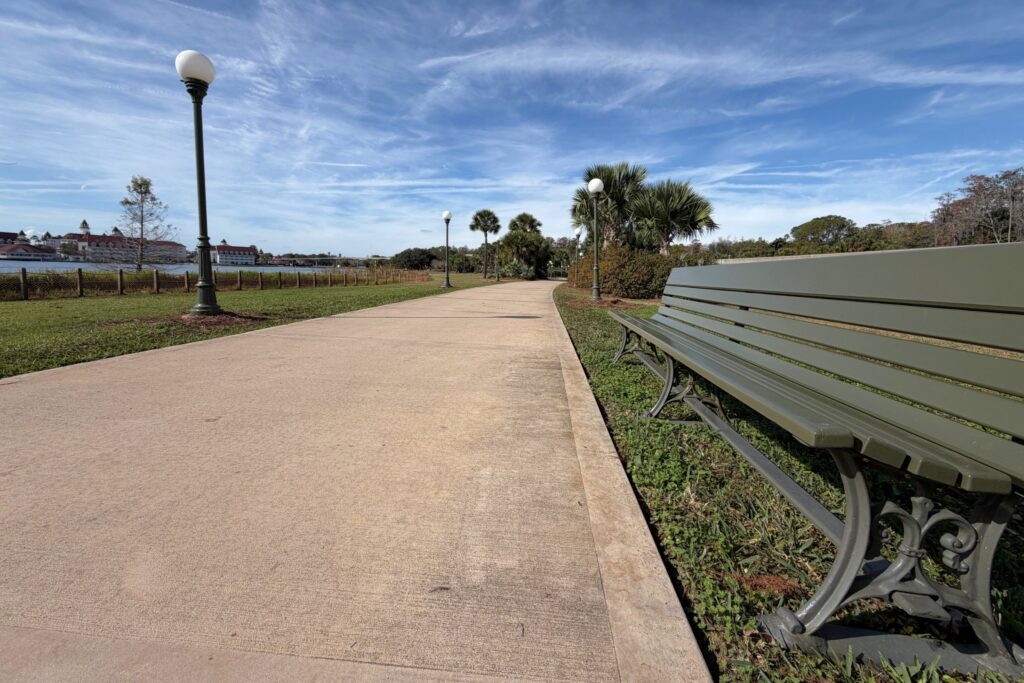
The walk back — the return — is where experience begins to loosen its grip and turn into memory. It’s the moment when there is nothing left to anticipate and no performance left to maintain. The body relaxes. The senses widen. What we’ve just lived has room to settle.
Arrivals are charged with expectation. Even when they’re quiet, they carry a forward pull. We’re alert, attentive, slightly braced. We take things in quickly, often too quickly, because we’re still oriented toward what comes next. The walk back is different. It asks nothing. It carries no agenda. It allows the experience to replay itself internally, not as a checklist, but as a feeling.
This is especially true when we travel.
Think about the places that stay with you most clearly. It’s rarely the moment you first arrived. It’s the evening afterward. The walk back to where you’re staying. The light lowering. The conversations thinning out. The sound of your own footsteps once the destination has released you. These are the moments when a place stops performing and starts belonging to you.
The walk back is where you stop looking for proof that something mattered. You already know that it did.
There is a particular kind of presence that only shows up once the arrival has passed. You’re no longer scanning, comparing, evaluating. You’re simply moving through space with what you’ve just taken in. Memory doesn’t need to be manufactured here; it’s already forming, quietly, without effort.
We often rush through this part. We hurry back to the next obligation, the next plan, the next stimulation. In doing so, we cut short the very process that allows experience to become meaningful. The body needs transition. The mind needs decompression. Without it, even beautiful moments can feel thin once they’re over.
This is why pacing matters more than we think. Not just in how we plan a trip, but in how we leave a place. Staying long enough for the moment to release us. Leaving early enough to walk back slowly. Choosing routes that allow for reflection rather than efficiency.
The walk back doesn’t have to be literal. It can be the drive home in silence. The quiet after dinner. The few minutes before returning to routine. What matters is that there is space between the experience and whatever comes next.
Disney Dally pays attention to this space because it’s where meaning gathers. Not at the peak, not at the highlight, but in the transition afterward. The walk back is where we stop consuming an experience and start carrying it.
Arrivals give us something to look at. The walk back gives us something to keep.
When we allow ourselves to move through that return without rushing, we give memory the time it needs to take shape. We let the experience finish its sentence instead of cutting it off mid-thought. We honor what just happened by not immediately replacing it.
In the end, it’s rarely the arrival that stays with us. It’s the way we walked away from it that does.
